
How JoyMould Maintains Zero-Defect Rates in Mass EVA Production
At JoyMould, operating out of our Jinjiang facility, we manufacture over 5,000+ EVA beach bags daily. Scaling daily capacity while aiming for a zero-defect rate isn’t accidental—it is the direct outcome of engineering discipline, automated machinery, and a closed-loop Quality Control (QC) workflow.
Here is an inside look at how our factory systematically eliminates structural and cosmetic defects across mass production runs.
1. The Science Behind EVA Defects (And How We Prevent Them)
Unlike woven canvas or stitched leather, high-density EVA bags are produced via foam injection molding. Liquid EVA compound expands exponentially inside a heated steel mold before rapidly cooling into a solid tote shell. If temperature, mold pressure, or expansion rates drift by even 2%, defects occur.
At JoyMould, we map and neutralize the four most common EVA manufacturing defects at the source:
| Common Defect | Root Cause in Factory | JoyMould Engineering Solution |
|---|---|---|
| Warping / Deforming | Uneven thermal cooling after demolding | Automated cooling jigs & internal shape retainers during setting |
| Flash / Rough Edges | Worn-out mold parting lines or low clamping pressure | Precision CNC steel molds + automatic robotic edge trimming |
| Density & Hardness Variations | Inconsistent raw material compounding | 100% virgin Eco-EVA granules with computerized dosing systems |
| Color Shifts & Fading | Thermal degradation of color masterbatches | Spectrophotometer color matching with high UV-stable pigments |
2. Our 5-Step Closed-Loop Quality Inspection Workflow
Factory Rule: No EVA bag advances to the packing line unless it passes all 5 physical and visual inspection gates marked in our ERP system.
Step 1: Raw Material Purity & Masterbatch Audit
Quality begins long before molding. Every batch of virgin EVA resin undergoes density, melt flow index (MFI), and Shore hardness testing. We strictly forbid recycled scrap fillers that cause bubble voids or premature cracking.
Step 2: In-Line Real-Time Injection Monitoring
Our automated injection molding presses monitor internal temperature, hydraulic pressure, and expansion times per cycle. If a parameter fluctuates beyond set tolerances, the machine automatically flags and isolates the batch.
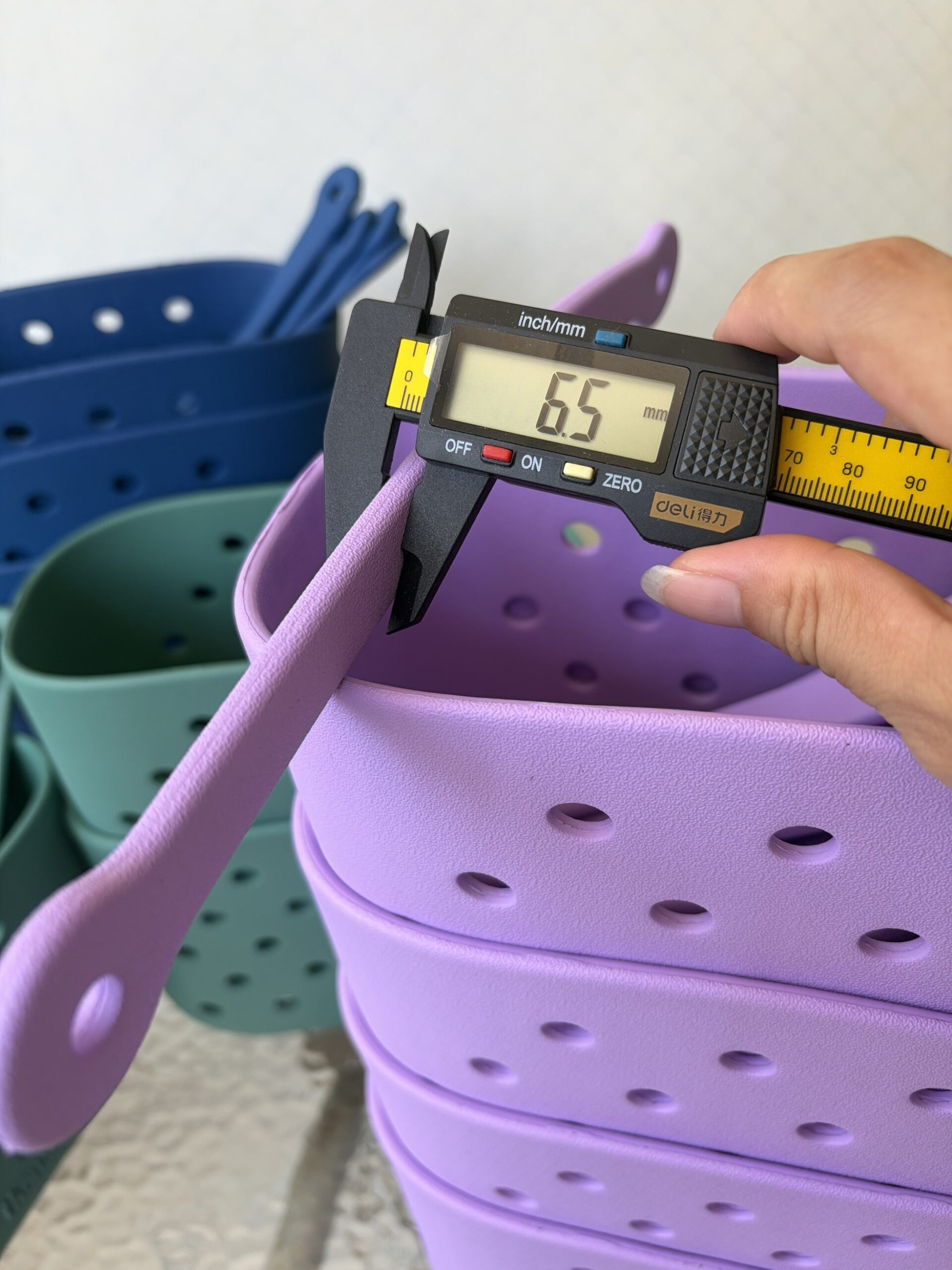
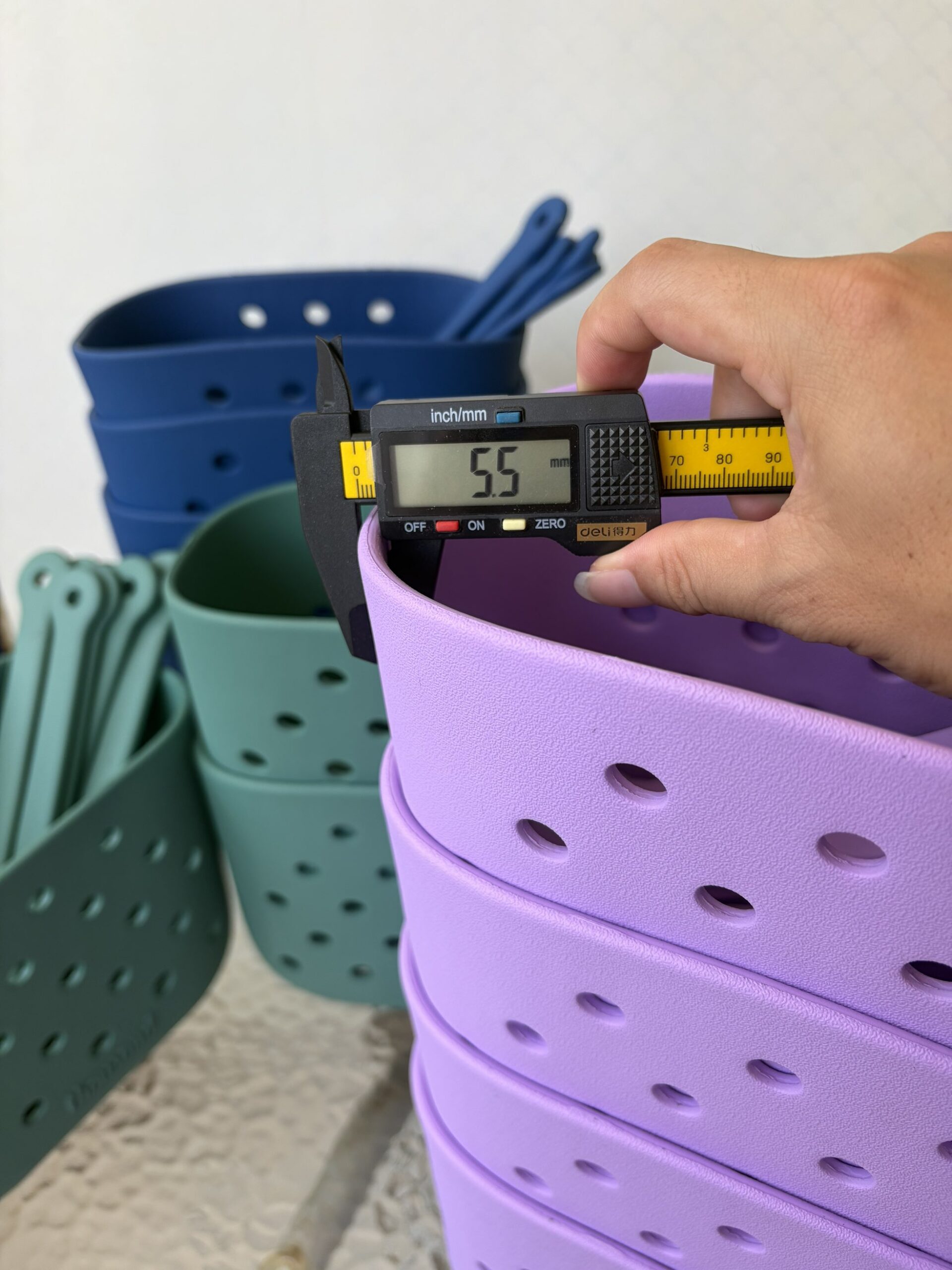
Step 3: Dimensional & Wall Thickness Caliper Checks
Immediate de-molding inspection measures base thickness and sidewall uniformity using digital micrometers. This ensures the bag holds its signature self-standing rigidity without weak structural spots.
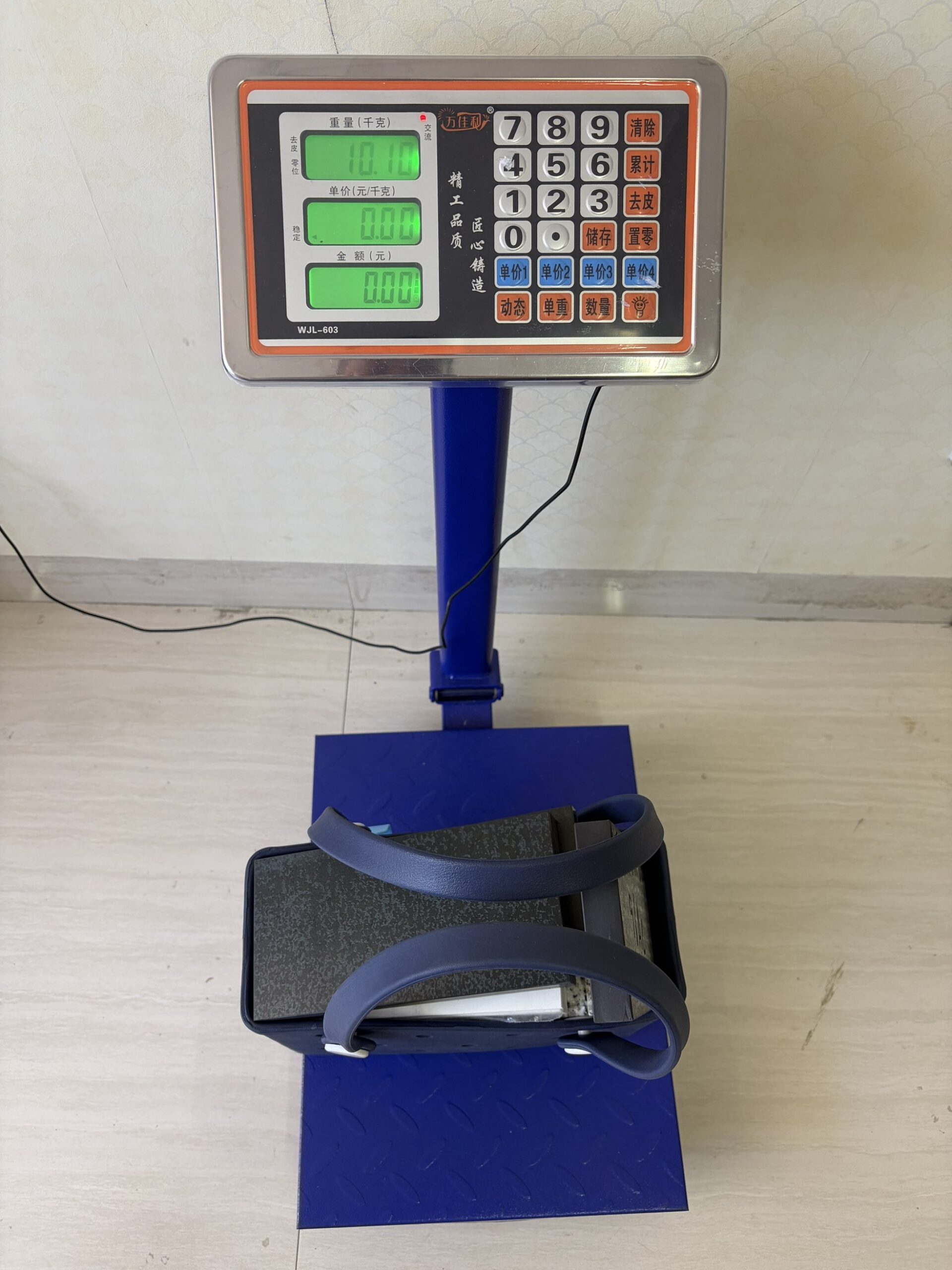
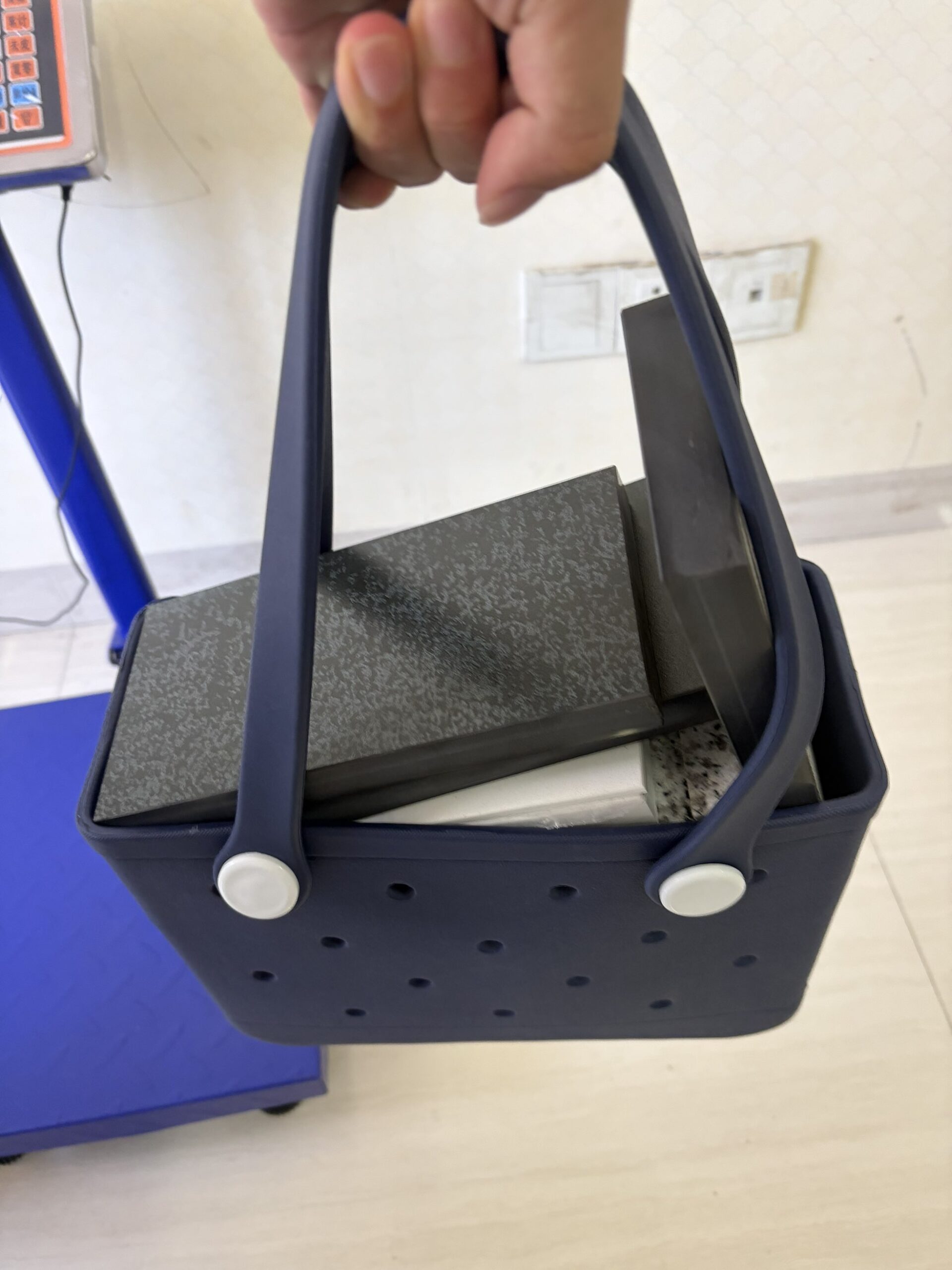
Step 4: Mechanical Load & Stress Testing
Sample bags from every production shift undergo stress tests. Handles are subjected to 15kg load pull-tests and 5,000-cycle vibration simulations to guarantee that handle rivets and eyelets will never snap in consumer hands.
Step 5: Pre-Shipment Container Packing Audits
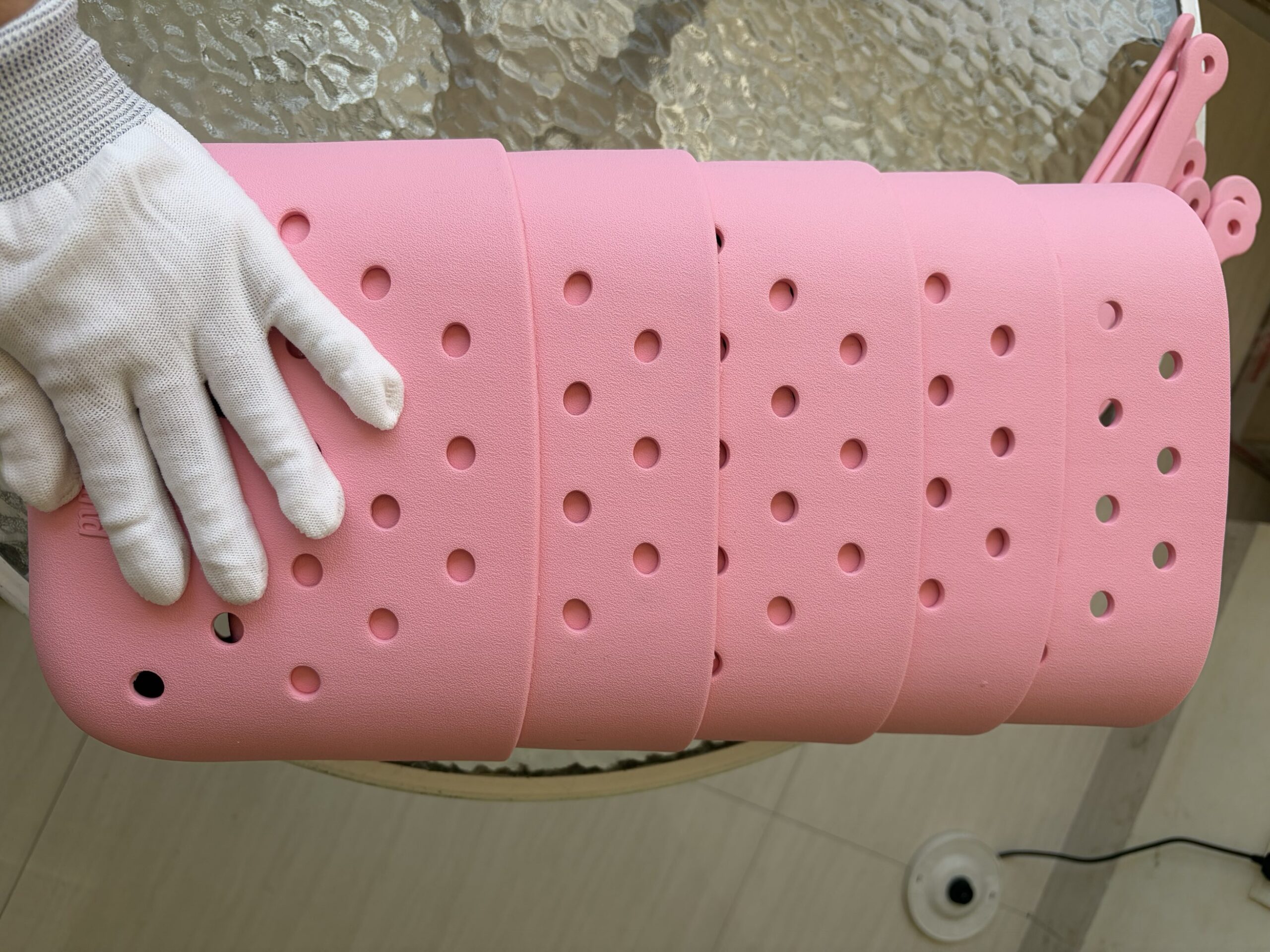
Even a flawless bag can warp if packed incorrectly for ocean freight. Every box is inspected to ensure internal air-cushion supports are properly fitted before sealing, maintaining zero deformation during months at sea.
3. Why Supply Chain Transparency Matters for Overseas Brands
Working with a direct factory like JoyMould means you don’t have to guess your product quality. We offer full supply chain visibility for international clients:
- Digital QC Reports: Detailed inspection data sheets provided prior to final balance payment.
- Live Video Inspections: Schedule real-time WhatsApp walkthroughs of your batch during mass production.
- Third-Party Audit Support: Full cooperation with inspection agencies such as SGS, Bureau Veritas, or Intertek.
Conclusion: Reliable Quality Powers High-Margin Retailing
Building a top-tier retail brand or Amazon storefront requires a manufacturing partner that prioritizes quality above all else. JoyMould’s combination of high daily capacity and zero-defect quality control guarantees that your inventory arrives retail-ready, every time.